
ByFrank Kimaro
Technical review byMegan Christofield
In Tanzania, access to information and integrated health services is helping families like Jennifer and Ezekiel’s shape their future.

At 37, Jennifer Maduhu and her husband, Ezekiel, have worked hard to support their family of ten children in Mwanza, the second-largest city in northern Tanzania. Many households in this region, including Jennifer and Ezekiel’s, face challenges such as food insecurity, income opportunities, and access to quality health services. Yet Jennifer and Ezekiel have always remained focused on what matters most to them: building a stable future for their children.

“We faced serious challenges as a family,” said Jennifer. “Imagine your children are sick, and you don’t have money to take them to the hospital. It reached a point where even food was not guaranteed.”
Jennifer and Ezekiel wanted to create greater financial stability for their family, with Jennifer hoping to contribute to the household income. But frequent, unplanned pregnancies made it difficult for her to pursue those opportunities, adding financial and emotional pressure to the family.
Then one day, community health worker Abdul Athuman visited their home. Abdul had participated in a training led by The Challenge Initiative (TCI), a Jhpiego-led project. With funding from Bayer and the Gates Foundation, TCI has partnered with local governments across eight regions of Tanzania since 2017 to strengthen and scale up family planning high-impact interventions.

Abdul sat the couple down and had a candid conversation about the merits of family planning, encouraging both Jennifer and Ezekiel to share responsibility. “Involving men helps create understanding,” Abdul said. He also discussed a range of free health services available to the family, sharing information with Jennifer and Ezekiel that could help keep their children healthy.
For Jennifer and Ezekiel, the decision to adopt a family planning method was not made lightly. After learning about their options, Jennifer decided to use a long-acting contraceptive implant that provides protection against pregnancy for up to three years.
Being able to decide whether and when to have another child gave Jennifer greater peace of mind and allowed her to take on small income-generating work that contributed to the household income.
While Jennifer received family planning services at the Buzuruga Health Facility, the couple was also able to access a broader network of health services available for free through TCI-supported outreach and integrated service delivery. Services available included pre- and postnatal care, immunizations, and other essential health services.

“Through the TCI project, we learned to integrate family planning with other services such as antenatal care and immunization during outreach activities,” said Catherine Donald, a family planning service provider at the Buzuruga Health Facility. Donald is one of the six providers from the facility who received training under the TCI project.
Since 2019, the number of clients accessing family planning services at Buzuruga Health Center has increased from 1,134 clients to 5,521 clients in 2025—a 387 percent increase compared to the years preceding TCI interventions. This significant increase was achieved through continuous capacity building, the adoption of high-impact interventions, and strong ownership of family planning programs by facility staff and government leaders.
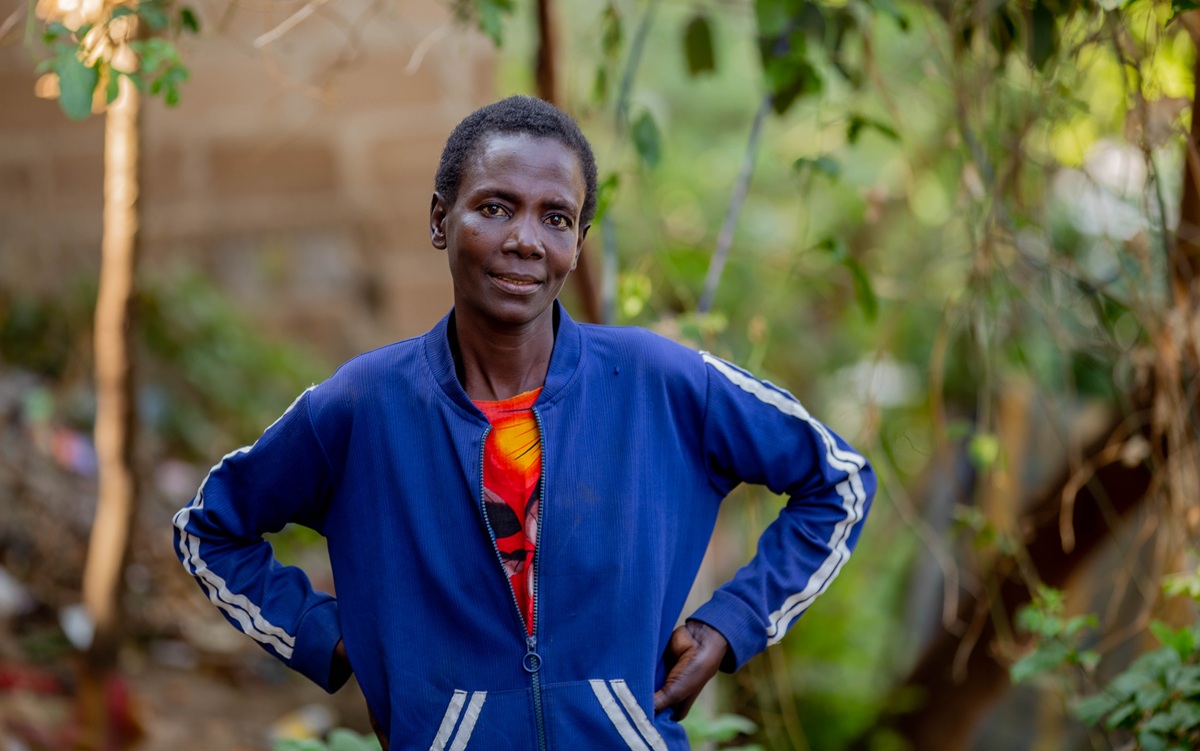
In Tanzania, TCI has supported nineteen councils to improve service delivery, strengthen health worker capacity, institutionalize data-driven decision-making, and increase domestic financing for family planning programs. The initiative has expanded access to quality family planning services, particularly among urban and underserved populations, while promoting local ownership and sustainability to ensure continued impact beyond donor support.
By expanding access to accurate information, quality services, and integrated care, TCI helps individuals and families like Jennifer’s and Ezekiel’s make decisions that reflect their needs, priorities, and hopes for the future.
Frank Kimaro is a Senior Manager for Communications, Branding, and Knowledge Management for Jhpiego in Tanzania. Megan Christofield is Jhpiego's Principal Technical Advisor for Family Planning and Self Care.