ByFrank Kimaro
Technical review byAmy Cannon
A new neonatal care unit at Kwimba District Hospital is bringing lifesaving care closer to premature and low-birthweight babies and their families.
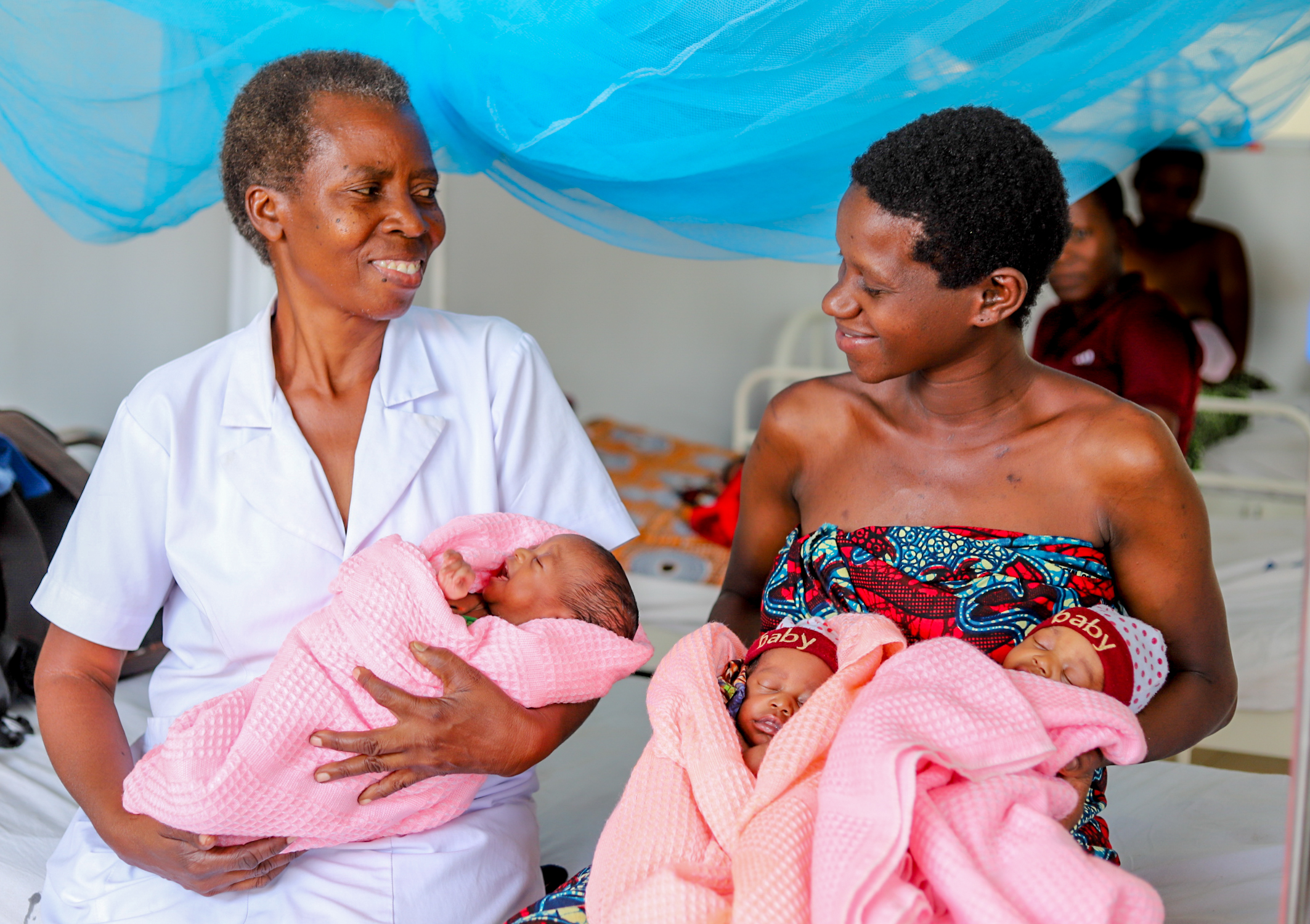
It was 2023 when I met Grace Charles. She had just given birth to premature triplets at Kwimba District Hospital in Tanzania’s Mwanza Region. Together with six other mothers of premature infants, the hospital had placed Grace and her newborn babies in a small room.
Although meant for premature infants, the room was not equipped or staffed sufficiently to provide the specialized care that delicate, low-birthweight babies require. It was congested, and space was insufficient to meet the growing need.

At the time, the hospital admitted at least 123 low-birthweight babies each year, despite not having a neonatal care unit.
“We don’t have dedicated infrastructure for a specialized Newborn Care Unit (NCU),” said Dr. Neema, the Medical Officer in Charge. “We have just improvised a single room, but it’s not enough.”
When referrals were needed, families had to travel 100 km to access proper care. Many could not afford the journey. For those who could, the risk of transporting newborns on rough roads was high. Some did not survive.
As I spoke with her, Grace was breastfeeding two of her babies while her mother sat at the edge of the bed, holding the third. She worried that if another low-birthweight baby were born, she might be asked to vacate one of the limited beds.

That was the stark reality many new mothers faced. At times, especially during the rainy season, the room became overcrowded and unable to accommodate all the premature babies born at the facility.
“There is an urgent need for a new building, not just a room like this one, because this space is not enough,” said nurse Adella G. Maige.
“Right now, the room is already full, so you can imagine the chaos if another woman has a baby needing this type of care. It means there will be no space to accommodate the newborn, and we may have to discharge a mother whose baby has slightly improved to make room for one in critical condition.”

Jhpiego identified the urgent need for improved care and space. Through the Miles for Mothers campaign, and in collaboration with the Government of Tanzania, the Doris Mollel Foundation, and district leaders, efforts began to establish a dedicated Neonatal Care Unit (NCU).
Today, that vision has become a reality.
In March 2026, Jhpiego Tanzania joined partners and the community to witness the opening of the new NCU at Kwimba District Hospital. It is now a fully dedicated building designed to provide specialized, lifesaving care for small and sick newborns.
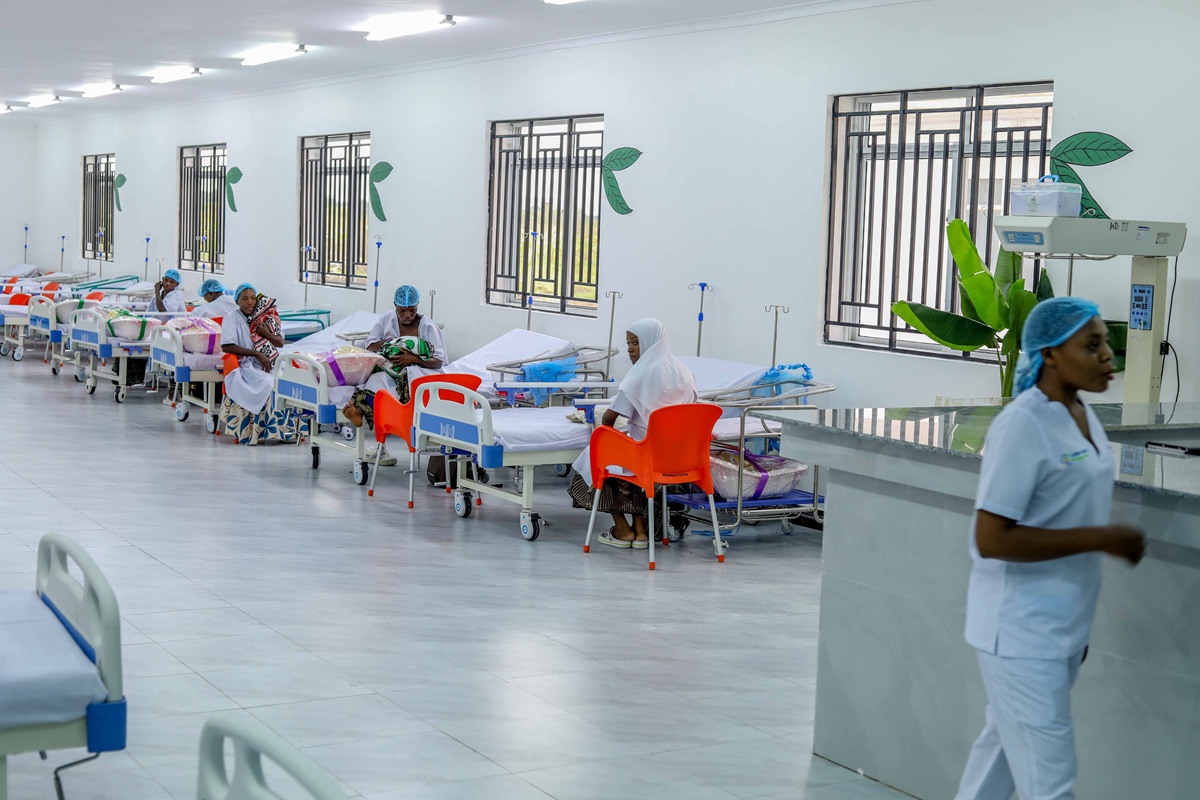
This achievement reflects strong local collaboration, coupled with the generosity of the global Jhpiego community, whose members contributed funds through the 2023 Miles for Mothers campaign. Their support has helped transform an urgent need into a functioning, lifesaving facility that brings high-quality care closer to home, reducing delays, risks, and preventable deaths.
The Kwimba District Medical Officer, Dr. Elias Misana, commended Jhpiego’s efforts to improve health care services in the district, noting that the initiative supports the government’s priorities and will benefit the entire community.
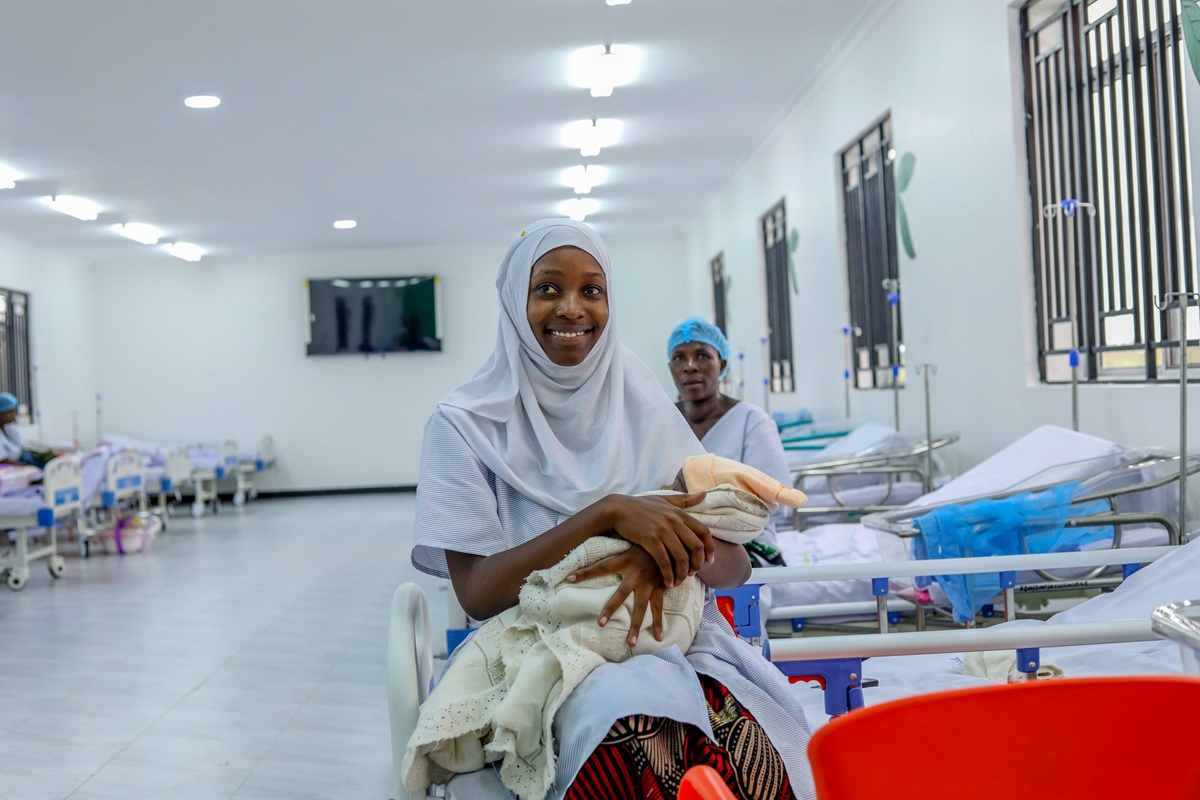
For mothers like Grace, this changes everything.
Just a few years ago, she faced uncertainty in a crowded room. Today, mothers like her experience a new reality, one where babies born too soon or too small have access to the care they need, right where they are.